What was Dr. Sebi’s net worth at the time of his death?

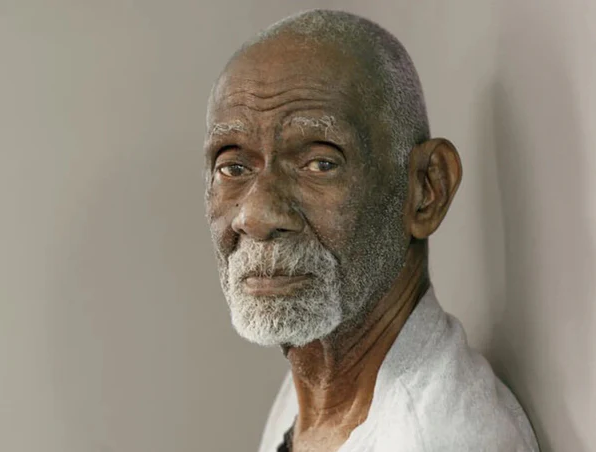
Dr Sebi Net Worth
At the time of his death, Dr. Sebi’s net worth was not publicly disclosed, and no figure has been officially verified by major financial authorities. His income came from health and wellness ventures, including the sale of herbal supplements marketed under the African Bio-Mineral Balance “Cell Food” line through Dr. Sebi’s Office, Inc., the Los Angeles–based company he founded. He also offered paid health consultations to private clients, including some celebrities, as part of his practice.
| Key Fact | Verified Information |
|---|---|
| Real Name | Alfredo Bowman |
| Known As | Dr. Sebi |
| Lifespan | 1933–2016 |
| Birthplace | Honduras |
| Profession | Herbalist and natural healer |
| Medical Degree | No medical degree |
| Early Health Issues | Asthma, diabetes, obesity, impotence |
| Herbal Inspiration | Treated by a Mexican herbalist |
| Main Company | Dr. Sebi’s Office, Inc. |
| Product Line | African Bio-Mineral Balance “Cell Food” |
| Diet Philosophy | Alkaline plant-based diet |
| Popular Ingredient | Irish sea moss |
| Early Clinic | Usha Research Institute |
| 1987 Court Case | Practicing medicine without a license trial |
| Death Cause | Pneumonia in police custody (2016) |
| Net Worth | Not publicly disclosed |
Dr. Sebi’s Career in Herbal Healing
Alfredo Bowman (1933–2016), better known as Dr. Sebi, was a Honduran-born herbalist and self-described natural healer. McGill University’s science outreach office notes that after moving to the United States Sebi suffered from ailments like asthma, diabetes, obesity and impotence.
Traditional medicine failed to help him, so he turned to herbal remedies. A Mexican herbalist allegedly restored his health, inspiring Sebi to develop his own plant-based treatments. He began marketing these under the name “Dr. Sebi’s Cell Food,” a line of herbal compounds and dietary supplements. (Importantly, Bowman never earned any medical or academic degree; PolitiFact reports he “did not have a medical degree.”)
Dr. Sebi styled himself as a naturopathic pathologist and biochemist, but his career was entirely outside the conventional medical system. He opened herbal clinics (sometimes called research institutes) in Honduras and later in the United States.
In the 1980s he ran a healing center in Honduras (the so-called Usha Research Institute) and sold his herbal formulas to patients in New York and Los Angeles. His practice and products were built around his diets and plant compounds rather than any accepted medical therapies.
In short, Sebi’s “career” was that of an entrepreneur in alternative health: no medical school, no licensure, and no formal residency – just self-taught herbal practice and a marketing of natural cures.
Development of the Alkaline Diet Philosophy
Central to Dr. Sebi’s approach was a strict alkaline diet. He taught that disease results from excessive acidity and “mucus” in the body, which only an alkaline, plant-based diet can eliminate.
The Los Angeles Times describes how he “popularized the alkaline electric diet” as an alternative path for people with ailments like hypertension or diabetes. Sebi insisted his followers eat only “electric” plant foods (fruits, vegetables, grains, herbs and seaweeds) that he considered alkaline, and to avoid all acidic items (no meat, dairy, eggs, or refined starches).
For example, he touted Irish sea moss (a type of red algae) as a “superfood” packed with minerals – claiming it provided up to 92 of the 102 minerals the body needs. He also sold sea-moss–based supplements (such as his “Bromide Plus” capsules) as key components of his diet plan.
Scientific observers note this philosophy was pseudoscientific. The McGill Office for Science and Society explains that Sebi’s “coronation of alkalinity” misunderstands human physiology.
In reality, human blood pH is tightly regulated (usually between 7.35 and 7.45) and cannot be significantly altered by diet, contrary to Sebi’s claims. Nonetheless, Sebi’s alkaline-diet theory became the foundation of his practice.
The LA Times profile notes how his ideas entered mainstream “wellness” discourse: people began avoiding foods they believed produce mucus and embracing sea moss and other alkaline foods as cures.
Rise to Public Attention and Media Coverage
Dr. Sebi first drew wide attention through legal cases and celebrity clientele in the late 1980s and 1990s. In 1987 he stood trial in New York, accused of practicing medicine without a license based on newspaper ads that claimed his diet could cure AIDS and leukemia.
PolitiFact reports that he was acquitted (the jury found the state could not prove he had made a medical diagnosis). Meanwhile, Sebi cultivated a number of famous clients, which kept him in the news.
For example, PolitiFact notes that entertainers such as rapper Lisa “Left Eye” Lopes, actors John Travolta and Eddie Murphy, and pop star Michael Jackson sought his herbal treatments and diet advice. (One published report even says Sebi worked with Jackson in 2004 to help treat the singer’s painkiller addiction.)
These celebrity associations made Sebi a familiar name in tabloids and entertainment media, even as medical authorities questioned him. By the mid-1990s, he was running a clinic in Los Angeles and selling products to a niche following of health-conscious patients.
Establishment of Herbal Treatment Programs and Products
Dr. Sebi turned his diet theory into a business of herbal treatments and branded supplements. He opened clinics (often under names like the Ogun Herbal Research Institute) and sold what he called “African Bio-Mineral Balance” compounds.
In 2014 he formally incorporated Dr. Sebi’s Cell Food in Los Angeles, a company that today still offers the same herbal formulas he created. According to the LA Times, this company sells products such as Bromide Plus (marketed for respiratory and immune support) and Vento (for circulation and oxygenation) — the original mixes Sebi promoted during his lifetime.
These products and programs were central to Sebi’s career: he charged patients for diet consultations and supplements, and touted herbal therapies for ailments from acne to cancer (though none of these cures were scientifically verified).
His materials emphasized traditional (often Afrocentric) roots for his methods, but in business terms he was an independent herbalist selling a proprietary health regimen. U.S. consumer-protection records from the early 1990s show Sebi was sued in New York by the state attorney general: as part of a settlement he was fined $900 and legally barred from claiming his products could cure specific diseases.
Nevertheless, his company and approach remained active in alternative-health circles, without any official medical endorsements or board certifications.
Controversies and Medical Community Criticism
Sebi’s career was marked by continual controversy with medical and legal authorities. He did not have any medical license or degree, yet promoted his therapies as cures.
After the 1987 trial, a later court case in 1993 prohibited him from making therapeutic claims: PolitiFact notes that the court ordered him to stop stating his supplements could cure diseases. He was also repeatedly criticized by mainstream health experts. Science writers described his claims about genes and alkalinity as “pseudoscience” with “faux-afrocentric” elements.
In public discussion, Sebi was often called a “quack” or a fraud. The Los Angeles Times profile recounts that skeptics in the wellness community openly labeled him “a grifter and a fraud”.
Even Sebi himself acknowledged he was not a medical doctor in the conventional sense. The LA Times notes he was “a doctor who was not technically a ‘doctor’ — at least not according to Western medicine or certification”.
In sum, while he had defenders who saw him as a folk-hero, most licensed physicians and health regulators dismissed his practices as unproven and potentially dangerous. Every independent medical authority that reviewed his diet or products found no credible evidence to support his disease-cure claims.
Influence on Alternative Health and Wellness Communities
Despite (or because of) these controversies, Sebi became an influential figure in alternative-health circles. His insistence on natural, plant-based living resonated especially in African-American and holistic communities.
In Los Angeles today, many health shops and street vendors credit Sebi with popularizing Irish sea moss and other “superfoods.” People on social media even say they’ve “been Sebi’d” when avoiding meat or dairy.
Sebi’s influence also shows up in culture and media. The LA Times observes that he “lives in Hollywood” through the celebrities he treated and the songs that reference him.
For example, rap artists Nipsey Hussle and Kendrick Lamar name-check Sebi and his diet in lyrics, keeping his message alive to new audiences. After hip-hop star Nipsey Hussle announced he was making a documentary about Sebi’s 1987 court victory, Sebi’s family and followers embraced him further as an underdog figure.
More broadly, Sebi’s name is often invoked by followers of the alkaline lifestyle: books, blogs, and wellness podcasts routinely discuss “Dr. Sebi’s diet,” indicating that his brand endures in the health-food world.
Legacy and Continued Impact After His Death
Alfredo Bowman’s life ended in controversy as well. In May 2016 he was arrested in Honduras on money-laundering charges, and shortly afterward contracted pneumonia while in detention.
The Associated Press reports that he died in police custody later that year at age 82, with pneumonia given as the official cause. (Despite conspiracy theories, his family and grandchildren have publicly stated there was no foul play, attributing his death to illness in poor jail conditions.)
After his death, Sebi’s legacy has continued mostly outside mainstream medicine. His company – Dr. Sebi’s Cell Food – still sells his original herbal formulas, and his family runs related businesses.
For instance, one of Sebi’s daughters, Kellie Bowman, operates a wellness center called “Sebi’s Daughters” in Atlanta, teaching the same nutrition curriculum her father developed. Documentary films and news features periodically revisit his story, often confirming key facts (no medical degree, died of pneumonia in 2016, legal restrictions on his claims) while exploring why he attracted such fervent followers.
In sum, Dr. Sebi left no conventional medical legacy. He had no licensure, no peer-reviewed research, and no recognized credentials.
However, his impact on the alternative health movement has been notable. Thousands of people continue to follow the alkaline diet he championed, and his name remains well-known in health-food communities.
Even in the absence of scientific validation, Dr. Sebi’s career and claims have had enduring reach: as recent media reporting shows, he is still cited as a symbol of natural healing and nutritional activism.
FAQs
Who was Dr. Sebi?
Dr. Sebi, born Alfredo Bowman (1933–2016), was a Honduran herbalist and natural health promoter. He became known for advocating plant-based diets and herbal supplements as part of his alternative wellness approach.
Did Dr. Sebi have a medical degree?
No, Dr. Sebi did not have a medical or academic degree. He described himself as a herbalist and natural healer, and his work operated outside the conventional medical system.
What was Dr. Sebi’s alkaline diet?
Dr. Sebi promoted a plant-based “alkaline diet” that excluded foods like meat, dairy, and processed products. He believed eating certain plant foods could reduce acidity and mucus in the body, although mainstream medical research does not support these claims.
What products did Dr. Sebi sell?
Dr. Sebi sold herbal supplements and wellness products through his company, Dr. Sebi’s Cell Food. These included herbal compounds, detox formulas, and sea moss products promoted as part of his dietary program.
What happened to Dr. Sebi in 2016?
Dr. Sebi died on August 6, 2016, while in police custody in Honduras. Authorities reported that the cause of death was pneumonia after he became ill during detention.
Are Dr. Sebi’s products still sold today?
Yes, products associated with Dr. Sebi’s formulas are still sold by businesses linked to his family and former company. These products continue to be marketed in alternative wellness communities.